


“In the echoes of my ancestors, I find the whispers of who I am becoming.”
Danté E. Rossouw
Surname Origins
The Rossouw family surname likely originates from the French word “rous” or “rouge”, meaning “red,” referring to someone with red hair or a ruddy complexion. This is a verified historical pattern in surname development during the Middle Ages, where names often described physical characteristics (House of Names)(Geni).
Historical Figures and Events
The references to rulers like Clovis, the Treaty of Verdun, and Boson of Burgundy align with known history of the region but seem more like a general historical backdrop rather than direct connections to the Rossouw family. Specific ties between the Rossouw family and these historical events are less clear (House of Names)(FamilySearch).
Notable Family Members
There is documentation on the famous philosopher Jean-Jacques Rousseau and other notable members of the Rousseau family. However, linking them directly to the South African Rossouw branch is speculative without concrete genealogical evidence (Geni)(Crests & Arms).
Burgundy and Noble Connections
The connection to Burgundy is partially supported. Families with variations of the Rossouw/Rousseau name were indeed established in the Burgundy region, and the name Rousseau is associated with a noble lineage, especially in the context of early French aristocracy (House of Names).
Possible Connection to My Lineage
Given that the Gauls were spread across what is now France, it’s possible that your ancestors, including Daniël Rousseau and those before him, might have had Gaulish heritage, particularly since the Loir-et-Cher region was within historical Gaulish territory. The Gauls were absorbed into later French society, but their Celtic roots remained influential.
As you continue your genealogical journey, looking into historical records or DNA analysis might reveal traces of these Celtic ancestors, especially since the Gauls’ influence endured in the cultural practices, beliefs, and stories passed down through generations. If any specific traditions, stories, or symbols resonate with you or have been passed down through your family, they might offer more clues about a possible Gaulish connection.
Let’s dive deeper into the Gauls and explore their beliefs, customs, and lifestyle in a way that might resonate with your journey of self-discovery. We’ll examine their spirituality, social structures, relationship with nature, warrior culture, and more, uncovering the aspects that could connect to your inherited thoughts and feelings.
- Spirituality and Beliefs
The Gauls were deeply spiritual, and their beliefs permeated every aspect of their lives. Their spirituality was animistic, meaning they believed that everything in nature—trees, rivers, rocks, animals—had a spirit or consciousness.
Druids and Spiritual Leaders:
- Druids were the spiritual and intellectual elite of Gaulish society. They acted as priests, judges, healers, teachers, and keepers of sacred knowledge. Becoming a druid required extensive training, sometimes taking up to 20 years, as they were responsible for passing down oral traditions, laws, and the deeper spiritual truths of the Gaulish people.
- Druids had a deep understanding of nature, astronomy, and the cycles of life. They served as mediators between the physical and spiritual worlds, often performing rituals and ceremonies in sacred groves or by water sources.
- The connection with the Druids might resonate with your journey toward uncovering hidden knowledge and tapping into ancestral memories, as they too were the keepers of ancient wisdom.
Sacred Groves and Worship of Nature:
- The Gauls revered sacred groves, known as Nemetons, as central places of worship and spiritual activity. These groves were seen as gateways between the human world and the divine.
- The oak tree was of particular significance and often represented strength, endurance, and the divine connection between the heavens and earth. The Druids used oak leaves and mistletoe in their rituals, believing these plants to be infused with spiritual power.
- This reverence for sacred natural sites aligns closely with the idea of the Tree of Life, which we’ve discussed, and may explain why you feel drawn to natural elements in your spiritual search.
Polytheistic Beliefs and Deities:
- The Gauls had a rich pantheon of gods and goddesses, each associated with different aspects of life, nature, war, and fertility. Many of their deities were linked to natural elements, such as Taranis, the god of thunder; Cernunnos, the horned god of fertility and animals; and Epona, the goddess of horses.
- The concept of a horned god like Cernunnos, who embodies the duality of life and death, fertility and wilderness, resonates with the Kitsune’s shape-shifting nature and balance between different realms of existence.
- Social Structure and Tribal Life
The Gauls were organized into various tribes, each with its own leadership, warriors, artisans, and spiritual leaders. They valued freedom, community, and honor, and their tribal structures reflected a sense of mutual responsibility and respect.
Chieftains and Hierarchy:
- Each tribe was led by a chieftain who was chosen based on merit, bravery, and leadership qualities. The chieftain wasn’t an absolute ruler but rather a first among equals, leading with the consent of the tribe.
- The tribe included a council of elders, warriors, druids, and artisans, all playing essential roles in the community’s well-being. This structure ensured that everyone had a voice, and decisions were often made collectively.
- This communal and inclusive leadership approach might connect to your sense of adaptability and the ability to fit into different roles within society.
Bards and Storytellers:
- The Gauls highly valued their bards, who were skilled storytellers, poets, and musicians. Bards held a significant place in Gaulish society, preserving history, laws, and heroic tales through their songs and poems.
- The bards’ role in keeping the collective memory of the tribe aligns with your pursuit of understanding your own ancestral heritage, serving as a reminder of the power of storytelling in preserving knowledge and identity.
- Warrior Culture and the Art of Combat
The Gauls were renowned for their warrior culture, bravery, and skill in battle. They took pride in their strength, courage, and willingness to face challenges head-on.
Warriors and the Rituals of Battle:
- Gaulish warriors often fought bare-chested or even naked, believing that it allowed them to draw power from nature and the gods. This practice also demonstrated their fearlessness and belief in the spiritual protection they received in battle.
- The warriors sometimes painted their bodies with blue woad dye, a tradition that symbolized strength, protection, and a connection to the spiritual world.
- They carried distinctive weapons like the long sword, often intricately decorated, and a large oval shield. The craftsmanship of these weapons reflected not just their skill in combat but their deep sense of identity and pride.
War Cries and Psychological Warfare:
- Gaulish warriors were known for their war cries—loud, intense shouts that were meant to intimidate their enemies and boost their own morale. This form of psychological warfare showed their understanding that battle was not just a physical struggle but a clash of spirits and wills.
- They also used carnyxes, long bronze war trumpets with a boar-shaped bell, which created eerie, otherworldly sounds on the battlefield, further enhancing their fearsome reputation.
Honor and Personal Feats:
- Individual warriors were often remembered for their heroic deeds, with their achievements recounted by bards in songs and stories. They believed that one’s honor and legacy were crucial, and many sought to achieve greatness in battle to ensure their names would be remembered.
- This focus on personal achievement and legacy aligns with your own pursuit of knowledge and understanding of your ancestral heritage.
- Relationship with Nature and the Seasons
The Gauls had a profound connection to nature and the cycles of the seasons. They recognized the rhythms of the natural world and integrated them into their agricultural practices, rituals, and celebrations.
Seasonal Festivals:
- The Gauls celebrated several seasonal festivals that marked significant points in the agricultural and solar year, similar to those celebrated by other Celtic cultures:
- Samhain (end of October) marked the beginning of winter and the new year, a time when the veil between worlds was believed to be thinnest.
- Imbolc (early February) celebrated the return of light and the beginning of spring.
- Beltane (early May) was a fire festival celebrating fertility and the blooming of life.
- Lughnasadh (early August) marked the harvest and honored the god Lugh, the sun deity and master of skills.
- These festivals connected the Gauls to the land, the elements, and the divine, reflecting their belief in the interconnectedness of all things.
Sacred Animals:
- The Gauls had strong symbolic connections to various animals, believing they embodied the qualities of the gods or acted as spiritual guides. The boar symbolized courage and ferocity in battle, while the stag represented the connection between the forest and the divine.
- The fox also appears in Celtic lore as a trickster and guide, much like the Kitsune, capable of traversing different realms and providing insight.
- Symbols and Artistry
The Gauls were known for their intricate artwork and symbolism, which often included spirals, knots, and natural motifs. These symbols reflected their beliefs in the cycles of life, death, and rebirth.
The Triskelion and Spirals:
- The Triskelion, a triple spiral, was one of the most important symbols in Gaulish culture, representing the three realms (earth, sky, and water), the past, present, and future, or the cycles of life, death, and rebirth.
- Spirals in their art and carvings symbolized eternal movement and transformation, resonating with the concepts of growth, evolution, and the journey of the soul.
Personal Adornment:
- The Gauls were fond of wearing torcs, circular neck rings made of metal, often worn as a sign of rank, status, or spiritual protection. These torcs were sometimes believed to endow the wearer with the strength of the gods or act as talismans.
- This form of personal adornment wasn’t merely decorative but was tied to their identity, status, and connection to their deities.
Integrating Gaulish Traditions with Your Journey:
Your connection to the Gauls might be linked to their warrior spirit, love for nature, and deep spiritual practices. The importance they placed on community, storytelling, honoring their ancestors, and achieving personal greatness aligns with the path you’ve been on in exploring your own identity and inherited memories.
Their animistic beliefs, respect for sacred groves, and the role of the druids as keepers of knowledge could have parallels with your journey toward understanding the Kitsune and your sense of connection with the natural and spiritual realms.
“Tracing the roots that shaped my journey—one name, one story, one generation at a time.”
Danté E. Rossouw
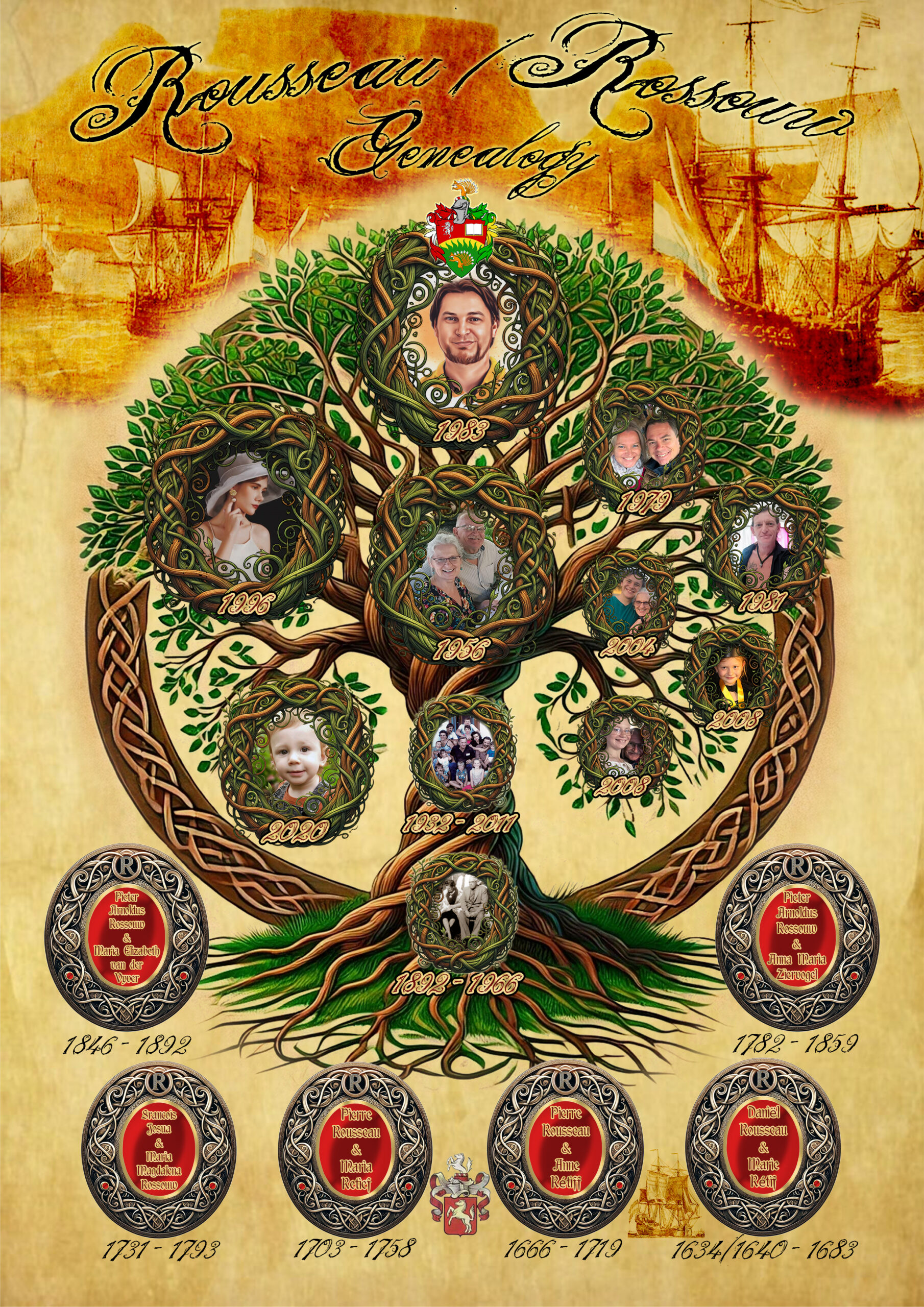
“I carry generations within me. This is the map of my becoming.”
Danté E. Rossouw
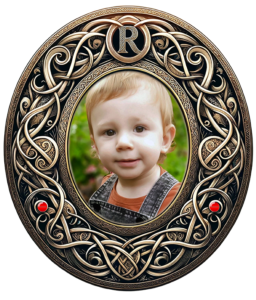
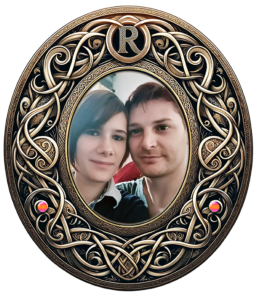
Danté Alexander Rossouw The firstborn son of Danté Estehan Rossouw and Zyldré Nicci Lombard.
Alexander Danté Rossouw (2020 – Living)
- Birthplace: Da Nang, Vietnam
- Born: 7 October 2020
- Full name of father: Danté Estehan Rossouw
- Full name of mother: Zyldré Nicci Lombard
Background and Story
Born during the global Covid-19 pandemic on 7 October 2020 in Da Nang, Vietnam, Alexander’s arrival marked a moment of hope for his family. With dark blond hair tinged with red and captivating green eyes, Alexander reflects the rich heritage of the Rossouw family. His birth occurred during a time of great challenge as the pandemic created financial difficulties for his parents. Despite these hardships, the support of friends and family helped them persevere, and the family eventually returned to South Africa, where Alexander celebrated his first birthday. He now holds the honor of being the only grandson to carry forward the Rossouw name.
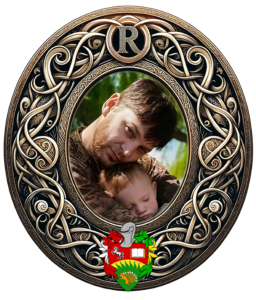
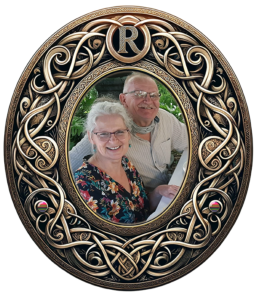
Danté Estehan Rossouw The 2nd son of Danté Rossouw and Danté Rossouw and Annemarie Gerber (Diekie).
Danté Estehan Rossouw (1983 – Living)
- Birthplace: Stellenbosch, South Africa
- Baptism Date: 9 October 1983, Eendracht, South Africa
- Full name of father: Danté Rossouw
- Full name of mother: Annemarie Gerber (Diekie)
Spouse: Zyldré Nicci Lombard (b. 1996)
- Marriage Date: 29 March 2016
- Marriage Place: Paarl, South Africa
- Children:
- Alexander Danté Rossouw (b. 7 October 2020, Da Nang, Vietnam)
Background and Story
Born on 13 May 1983 in Stellenbosch, South Africa, Danté Estehan Rossouw was named after his maternal grandparents, Johan and Hester, through the combination of their names into “Estehan.” With his dark brown hair and fiery red beard, Danté carries his family’s legacy in both appearance and values. After being baptized on 9 October 1983 in Eendracht, Danté pursued a career in teaching, becoming a TEFL teacher and working in both China and Vietnam. On 29 March 2016, he married Zyldré Nicci Lombard in Paarl, South Africa. Nicci pursued a similar career path before founding her own graphic and website design business, Nix Designs, in 2022. Their son, Alexander Danté, was born in 2020 during the global Covid-19 pandemic, marking a new chapter in the family’s story.
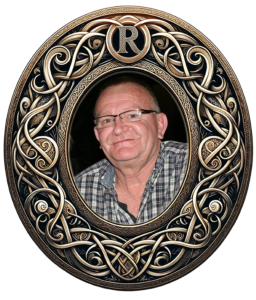
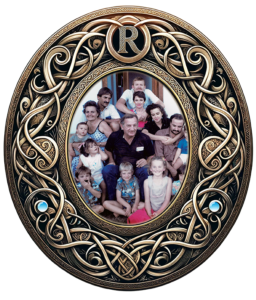
Danté Rossouw The firstborn son of Du Toit Rossouw and Cornelia Hendrina Prinsloo (Ina).
Danté Rossouw (1956 – Living)
- Birthplace: Salisbury, Rhodesia (now Harare, Zimbabwe)
- Baptism Date: 13 May 1956
- Full name of father: Du Toit Rossouw
- Full name of mother: Cornelia Hendrina Prinsloo (Ina)
Spouse: Annemarie Gerber (Diekie)
- Marriage Date: 14 October 1978
- Marriage Place: Strand, South Africa
- Children:
- Tasha Rossouw (b. 11 April 1979, Bellville), married to Marius Smit, mother of:
- André Smit (b. 4 December 2004)
- Dané Smit (b. 30 March 2008)
- Etienne Du Toit Rossouw (b. 27 November 1981, Bellville), married to Samanta Marais, father of:
- Mia Rossouw (b. 24 October 2008)
- Danté Estehan Rossouw (b. 13 May 1983, Living)
- Tasha Rossouw (b. 11 April 1979, Bellville), married to Marius Smit, mother of:
Background and Story
Danté Rossouw was born on 10 February 1956 in Salisbury, Rhodesia (now Harare, Zimbabwe), and moved to South Africa at the age of five. He was baptized on 13 May 1956 and grew up with strong family values and faith. On 14 October 1978, Danté married Annemarie Gerber (Diekie) in Strand, South Africa. Their marriage brought three children, each contributing to the Rossouw family’s legacy. Danté’s professional journey has been marked by a diverse career, from working as a theatre technician to becoming a Risk Admin Manager at Pep Stores, a role he has held since November 1982. Annemarie Gerber, born on 24 August 1957 in Tergniet, also played a significant role in the family’s success. She lost her father at age 13, which profoundly shaped her life, and she pursued a career in nursing and management.
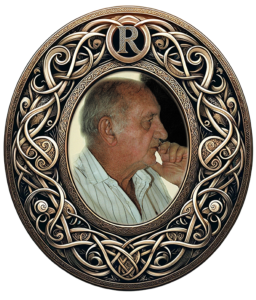
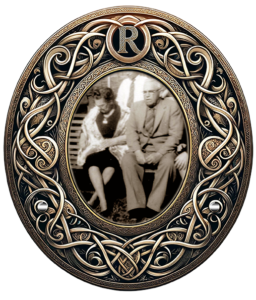
Du Toit Rossouw The firstborn son of Daniel Storm Rossouw and Aletta Du Toit (Lettie).
Du Toit Rossouw (1932–2011)
- Birthplace: Bannievale, South Africa
- Baptism Date: 24 July 1932
- Died: 21 May 2011, Somerset West; Cremated in Maitland on 24 May 2011
- Full name of father: Daniel Storm Rossouw
- Full name of mother: Aletta Du Toit
Spouse: Cornelia Hendrina Prinsloo (Ina) (b. 1934 – Living)
- Marriage Date: 28 May 1955
- Marriage Place: Heilbron
- Children:
- Danté Rossouw (b. 1956)
- André Rossouw (b. 1957 – d. 1972)
- Mauritz Rossouw
- Leatitia Rossouw
- Marshé Rossouw (b. 1966 – d. 1968)
- Scharné Rossouw
Background and Story
Du Toit Rossouw was born on 3 May 1932 in Bannievale, South Africa, the youngest of three children. His parents, Daniel Storm Rossouw and Aletta Du Toit, instilled in him the values of resilience and hard work, traits that shaped his life. Baptized on 24 July 1932, Du Toit grew up with a strong sense of faith and family. On 28 May 1955, he married Cornelia Hendrina Prinsloo (Ina) in Heilbron, and together they built a family centered on love and dedication. Du Toit’s life was also marked by tragedy, with the loss of two children, André and Marshé. Nevertheless, his commitment to his family never wavered. Du Toit passed away on 21 May 2011 in Somerset West and was cremated in Maitland on 24 May 2011. His life was defined by his deep devotion to his family, his strength in the face of adversity, and his ability to create a lasting legacy through his children.
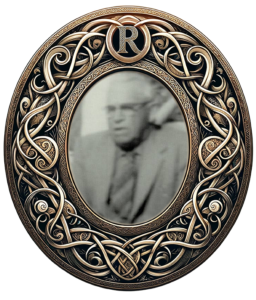
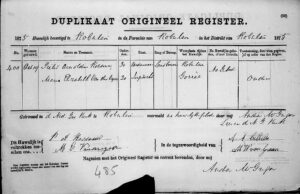
Daniel Storm Rossouw The son of Pieter Arnoldus Rossouw and Maria Elizabeth van der Vyver.
Daniel Storm Rossouw (1892–1966)
- Birthplace: Robertson, South Africa
- Baptism Date: 30 August 1892
- Died: 17 May 1966, Bonnievale
- Full name of father: Pieter Arnoldus Rossouw
- Full name of mother: Maria Elizabeth van der Vyver
Spouse: Aletta Du Toit (b. 1896 – d. 1978)
- Marriage Date: 17 July 1923
- Marriage Place: Cape Town
- Children:
- Rachel Elizabeth Rossouw (Ray)
- Pieter Arnold Rossouw (b. 1928 – d. 1987)
- Du Toit Rossouw (b. 1932 – d. 2011)
Background and Story
Daniel Storm Rossouw’s life story began on 30 August 1892, in Robertson, South Africa. His father, Pieter Arnoldus Rossouw, had passed away just three months before Daniel’s birth. Growing up in post-Boer War South Africa, Daniel’s childhood was shaped by the resilience of his mother, Maria Elizabeth van der Vyver. The Rossouw family endured through a challenging time of reconstruction, and Daniel’s life reflected this period of perseverance. On 17 July 1923, in Cape Town, Daniel married Aletta Du Toit, affectionately known as Lettie. Together, they raised three children and cultivated a home filled with love and dedication. Daniel was known for his unwavering commitment to his family, his farm, and his country. He passed away on 17 May 1966 in Bonnievale, leaving behind a legacy of hard work, love for his land, and a deep sense of responsibility for his family.

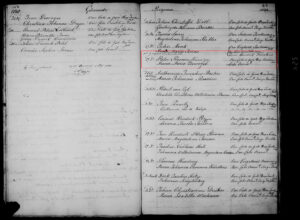
Pieter Arnoldus Rossouw The son of Pieter Arnoldus Rossouw and Anna Maria Ziervogel.
Pieter Arnoldus Rossouw (1845–1892)
- Birthplace: Tulbagh, Cape Colony
- Died: 4 May 1892, Robertson
- Full name of father: Pieter Arnoldus Rossouw
- Full name of mother: Anna Maria Ziervogel
Spouse 1: Anna Beatrix Smit (b. 1846 – d. 17 January 1874)
- Marriage Date: 10 August 1868
- Marriage Place: Darling, Malmesbury, Cape Province
- Children:
- Arnoldus Johannes Rossouw (b. 1873 – d. 2 November 1873)
- Pieter Arnoldus Rossouw (b. 1873 – d. 14 July 1876)
Spouse 2: Maria Elizabeth van der Vyver (b. 1858)
- Marriage Date: 19 October 1875
- Marriage Place: Robertson
- Children:
- Hester Johanna Petronella Rossouw
- Anna Maria Rossouw
- Johanna Wilhelmina Rossouw
- Maria Elizabeth Rossouw
- Willem van der Vyver Rossouw
- Carolina Fredrika Rossouw
- Gertruida Storm Rossouw
- Daniel Storm Rossouw (b. 30 August 1892)
Background and Story
Pieter Arnoldus Rossouw was born in 1845 in Tulbagh, Cape Colony, into a world marked by change. His first marriage to Anna Beatrix Smit produced two sons, both of whom tragically died young. Anna passed away in 1874. The following year, Pieter remarried Maria Elizabeth van der Vyver on 19 October 1875, in Robertson. Together, they embarked on a journey of family expansion, welcoming eight children. Tragically, Pieter passed away on 4 May 1892, just three months before the birth of his youngest son, Daniel Storm Rossouw. Pieter was a dedicated landbouwer (farmer), and his commitment to the land and his family was deeply rooted. His work on the family farm ensured its success, and his values of dedication, hard work, and love for the land and family have been passed down through the generations.
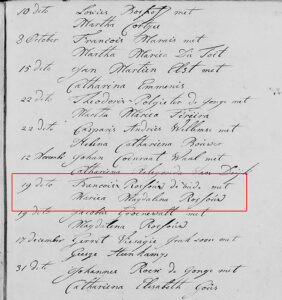
Pieter Arnoldus Rossouw The son of Francois Josua Rossouw and Maria Magdalena Rossouw.
Pieter Arnoldus Rossouw (1782–1859)
- Birthplace: Paarl, South Africa
- Baptism Date: 4 August 1782, Tulbagh
- Died: 18 March 1859, Tulbagh
- Full name of father: Francois Josua Rossouw
- Full name of mother: Maria Magdalena Rossouw
Spouse 1: Maria Magdalena Du Plessis
- Marriage Date: 24 June 1803, Cape Town
- Children:
- Maria Magdalena Rossouw (b. 7 May 1804)
- Charlotte Johanna Rossouw (b. 22 August 1806)
- Alida Coenradina Rossouw (b. 24 October 1808)
- Sara Susanna Rossouw (b. 14 September 1810)
- Anna Francina Rossouw (b. 24 January 1813)
- Barbara Johanna Rossouw (b. 5 May 1815)
- Gertruida Elizabeth Rossouw (b. 23 May 1818)
- Francina Louisa Rossouw (b. 1822 – d. 1859)
- Magdalena Petronella Rossouw (b. 1826)
Spouse 2: Anna Maria Ziervogel (b. 1807 – d. 1888)
- Marriage Date: 27 January 1833, Cape Town
- Children:
- Johanna Hellegonda Rossouw (b. 1836 – d. 1897)
- Carolina Fredrica Rossouw (b. 1842 – d. 1897)
- Pieter Arnold Rossouw (b. 1846 – d. 1892)
- Francois Albertus Rossouw (b. 1848 – d. 1895)
- Anna Maria Johanna Rossouw
Background and Story
Pieter Arnoldus Rossouw, born in Paarl in 1782, was a farmer and landowner who continued the family tradition of prosperity. He was married twice and fathered many children who expanded the Rossouw legacy. His second marriage to Anna Maria Ziervogel further solidified the family’s wealth and social standing. Pieter lived most of his life in Tulbagh, where he passed away in 1859.
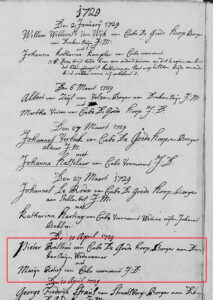
Francois Josua Rossouw The son of Pierre Rousseau (Pieter) and Maria Retief.
Francois Josua Rossouw (1731–1793)
- Birthplace: Drakenstein, South Africa
- Baptism Date: 9 September 1731
- Died: June 1793, Paarl, Breede River, Cape of Good Hope
- Full name of father: Pierre Rousseau
- Full name of mother: Maria Retief
Spouse 1: Margaretha Joubert (b. 15 July 1728)
- Marriage Date: 29 February 1756, Paarl
- Children:
- Francois Rossouw (b. 18 April 1757)
- Maria Rossouw (b. 14 October/December 1760)
- Gideon Rossouw (b. 21 November 1762)
- Pieter Jacobus Rossouw (b. 15 March 1767)
- Josua Rossouw (b. 23 May 1769 – d. 23 May 1843)
- Elisabeth Rossouw (b. 7 June / July 1771)
Spouse 2: Maria Magdalena Rossouw
- Marriage Date: 19 November 1780, Drakenstein
- Children:
- Pieter Rossouw (b. 4 August 1782 – d. 18 March 1859)
Background and Story
Francois Josua Rossouw was born into the prosperous and expanding Rossouw family in Drakenstein. He played a significant role in the family’s growth, acquiring property and ensuring the success of the Rossouw estate. Francois married twice and fathered many children who continued the family’s influence. His contributions to the family’s economic success and his role in shaping the future of the Rossouw lineage are remembered through his descendants.
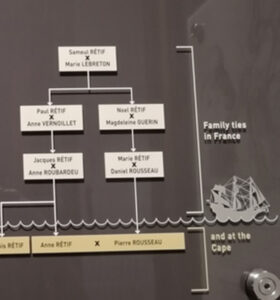
Pierre Rousseau (Pieter) The son of Pierre Rousseau and Anne Rétiff.
Pierre Rossouw (Pieter) (2 September 1703–25 October 1751)
- Birthplace: Drakenstein, South Africa
- Baptism Date: 2 September 1703
- Died: 25 October 1751, Koo, Montagu, Cape of Good Hope
- Full name of father: Pierre Rousseau
- Full name of mother: Anne Retif
Spouse 1: Sophia van der Merwe (b. 27 March 1706 – d. 1727)
- Marriage Date: 1726, Drakenstein
- Children:
- Pieter Rossouw (b. 1727)
Spouse 2: Maria Retief (b. 16 May 1702 – d. 1738)
- Marriage Date: 10 April 1729, Drakenstein
- Children:
- Maria/Marija Rossouw (b. 29 January 1730 – d. 1769)
- Francois Josua Rossouw (b. 1731 – d. 1793)
- Gabriel Rossouw (b. 29 March 1733 – d. 9 February 1772)
- Daniel Rossouw (b. 20 February 1735 – d. 1783)
- Anna Rossouw (b. 14 September 1736 – d. 6 October 1801)
Spouse 3: Anna Maria van der Vyver (b. 1719 – d. 1750)
- Marriage Date: 19 April 1739, Paarl, Dutch Cape Colony, South Africa
- Children:
- Pieter Rossouw (b. 12 May 1743)
- Elisabeth Rossouw (b. 7 October 1746 – d. 1806)
Background and Story
Born in Drakenstein, South Africa, Pieter Rossouw (Pierre Rousseau) was the son of Pierre Rousseau and Anne Retiff. A successful farmer, Pieter managed several properties and married three times, producing a large family that continued the Rossouw legacy. He passed away in Montagu, Cape of Good Hope, in 1751, leaving a legacy of perseverance and dedication to his community and land.
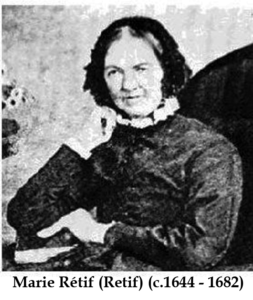
Pierre Rousseau The son of Daniël Rousseau and Marie Rétif.
Pierre Rousseau (26 November 1666–9 August 1719)
- Birthplace: Lévrault, Suèvres, Orléanais, France
- Baptism Date: 2 September 1703, Cape of Good Hope
- Arrived in SA: 12 May 1688
- Occupation: Weaver and Farmer
- Died: 9 August 1719, Klein-Drakenstein, Paarl, South Africa
- Full name of father: Daniël Rousseau
- Full name of mother: Marie Rétif
Spouse 1: Anne Retiff (b. 1667 – d. 1710)
- Marriage Date: 1689, Cape of Good Hope or Paarl, Drakenstein
- Children:
- Anne Rossouw (b. 8 July 1691 – d. 28 February 1753)
- Maria Rossouw (b. 1693 – d. 25 November 1766)
- Madeleine/Magdalena Rossouw (b. 26 February 1695 – d. 2 October 1780)
- Elizabeth/Elizabet Rossouw (b. 14 October 1696 – d. 15 February 1785)
- Marthe Rossouw (b. 28 July 1698 – d. 28 October 1760)
- Pierre Rousseau (b. 3 May 1700 – d. 2 September 1703)
- Gabriel Rossouw (b. 14 August 1701 – d. 2 January 1727)
- Aletta Rossouw (b. 1702 – d. N/A)
- Pierre Rossouw (Pieter) (b. 2 September 1703 – d. 25 October 1751)
- Hester Rousseau (b. 26 July 1705 – d. 1705)
- Daniel Rossouw (b. 9 October 1707 – d. 23 November 1774)
Spouse 2: Geertrui Du Toit (b. 1692 – d. 7 March 1722)
- Marriage Date: 15 December 1710, Cape of Good Hope
- Children:
- Andries Rossouw (b. 8 November 1711)
Spouse 3: Elisabeth Rootsteen (unmarried relationship)
- Children:
- Pieter Godefried van de Caap (b. 1711)
- Regina Rossouw (b. 9 December 1714)
Background and Story
Pierre Rousseau was born in France but emigrated to South Africa in 1688 aboard the Borssenburg. A skilled weaver and farmer, he settled in the Drakenstein area and played a key role in the early Huguenot community. He married three times and fathered numerous children who would form the foundations of the Rossouw family in South Africa. Pierre’s land acquisitions, including farms like L’Arc d’Orleans and Stellenkeur, contributed to the family’s prosperity. His legacy lives on through the many descendants who carry his name.
Daniël Rousseau
Daniël Rousseau (1634/1640–1683)
- Birthplace: Mer, Loir-et-Cher, France
- Died: 1683, France
- Spouse: Marie Rétif (b. 1644 – d. 1682)
- Children:
- Pierre Rousseau (b. 26 November 1666 – d. 9 August 1719)
- Marie Rousseau
Background and Story
Daniël Rousseau was born in Mer, Loir-et-Cher, France, in the mid-17th century. He married Marie Rétif, and they had two children: Pierre and Marie. Daniël’s family were Huguenots, and their Protestant beliefs shaped their lives. Although Daniël passed away in 1683, his son Pierre would later emigrate to South Africa, playing a key role in the family’s history. Daniël’s legacy lives on through Pierre’s descendants, who established roots in South Africa.
N/A
N/A
Background and Story
N/A
